Premises Liability
Overview
As panel counsel for some of the nation’s leading premises owners, retailers and insurance providers, Plunkett Cooney is at the forefront of premises liability defense in Illinois, Indiana, Michigan and Ohio.
The members of the firm’s Torts and Litigation Practice Group focus on the defense of claims involving premises liability and related issues. These claims often include multiple parties and frequently involve significant injuries and even deaths.
Our attorneys work daily to defend all aspects of litigation involving premises liability, including, but not limited to, ordinary negligence, premises liability slip, trip and falls, negligent hiring, negligent retention and negligent supervision, as well as injuries related to pet ownership that allegedly occurred at private residences and on commercially- and publicly-owned property.
These claims typically involve rental properties, private homes, retail locations, institutions of higher education, nursing homes and long-term care facilities, foodservice and hospitality businesses, religious institutions, municipalities, public schools, and many others.
Attorneys in the Torts and Litigation Group belong to, participate in specialized committees, and are often speakers for such national and international organizations such as ALFA, CLM, DRI and RIMS.
Apart from legal representation in lawsuits, our attorneys are available for consultations, risk management assistance, pre-suit investigations, educational seminars and webinars, and various other services.
Related Practices

View Team Members
 Partner, Practice Group LeaderEmail | (810) 342-7005
Trending

Team
Team
 AssociateEmail | (248) 433-7169
 PartnerEmail | (231) 348-6435
 Of CounselEmail | (616) 752-4627
 Senior AttorneyEmail | (248) 433-7052
 Senior AttorneyEmail | (248) 594-8224
 AssociateEmail | (248) 433-7055
 ParalegalEmail | (313) 983-4865
 PartnerEmail | (614) 629-3005
 Of CounselEmail | (231) 348-6427
 AssociateEmail | (614) 629-3003
 PartnerEmail | (248) 594-6357
- Partner, Practice Group LeaderEmail | (810) 342-7005
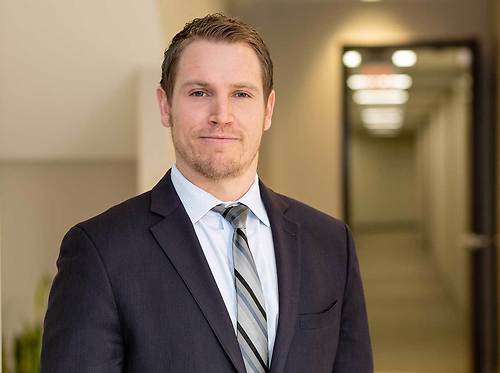 PartnerEmail | (313) 983-4933
 PartnerEmail | (317) 964-2730
 PartnerEmail | (313) 983-4721
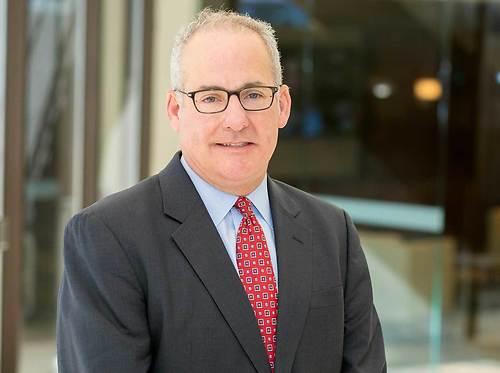 PartnerEmail | (616) 752-4619
 PartnerEmail | (810) 342-7003
 ParalegalEmail | (317) 964-2746
 Senior AttorneyEmail | (616) 752-4617